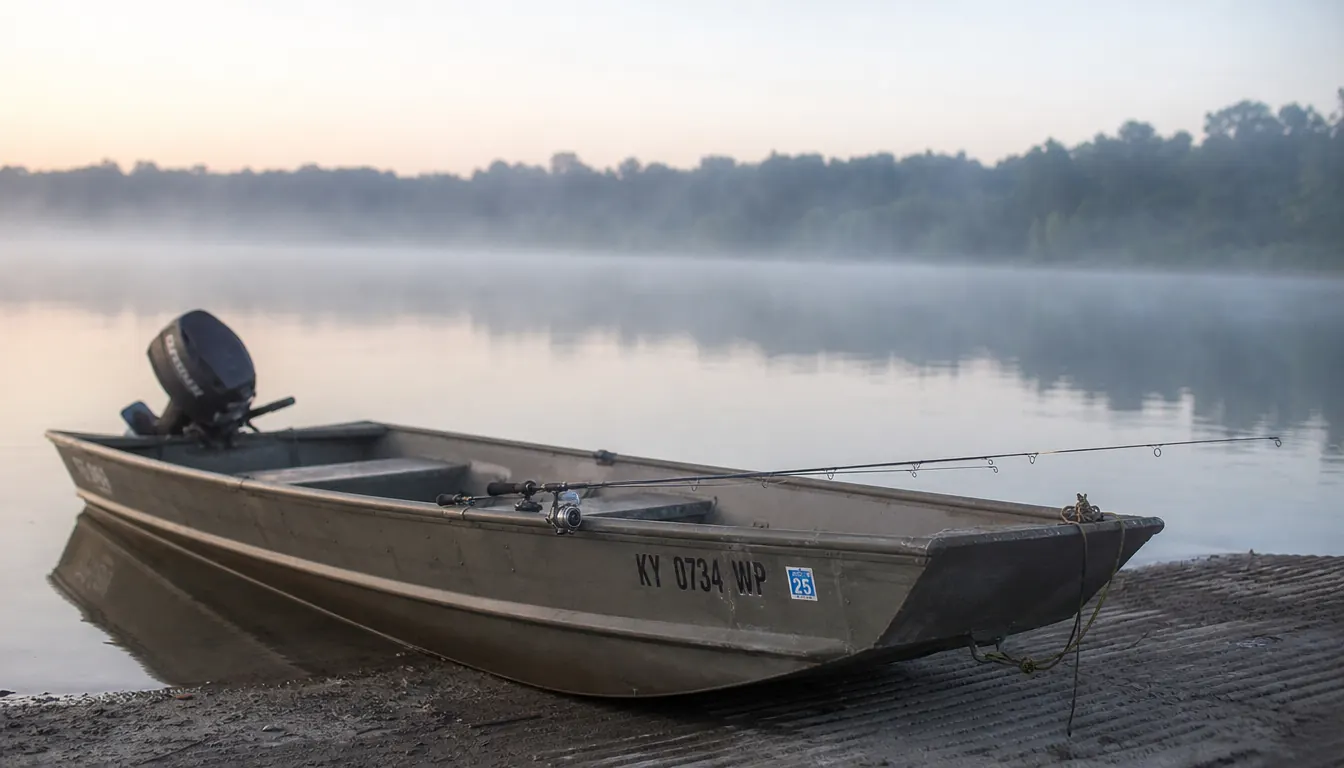
Every spring I watch a man at the ramp load three rods into a 16-foot boat and then spend the first twenty minutes of daylight untangling two of them. I did that for years. One rod for bass, one for crappie, one that stayed in the holder because I could not remember what line was on it. Then late last winter I put a KastKing Sharky 3000 on the 7-foot medium spinning rod I already owned, spooled it with 10-pound braid and a 4-pound fluorocarbon leader, and quit carrying the other two. Nine months later I have not found a reason to go back.
That is not a pitch about catching more fish. I catch about what I always caught. It is about one reel doing two jobs well enough that I stopped hauling a second rod around a boat that does not have room for it. Here is what that looks like, reason by reason.
One reel, two jobs, one less rod to step over
The KastKing Sharky 3000 carries 33 pounds of drag and a 6.2:1 gear ratio. It has been on my spinning rod from March through November, bass in the morning and crappie when the light gets flat.
Amazon Check Today's Price on Amazon →Size 3000 sits in the middle, which is where both jobs live
Bass fishing on Lake Norman means 10-pound braid and baits around a quarter ounce. Crappie fishing means 4-pound line and a 1/16-ounce jig you can barely feel leave the spool. A 3000 holds enough of either. I load mine with braid, tie on a leader, and when I switch from a spinnerbait to a jig the same spool works. A 1000 runs thin on a long cast with braid. A 4000 is more reel than a 1/16-ounce jig ever asked for.
The 6.2:1 gear ratio picks up slack fast and still lets me crawl a jig
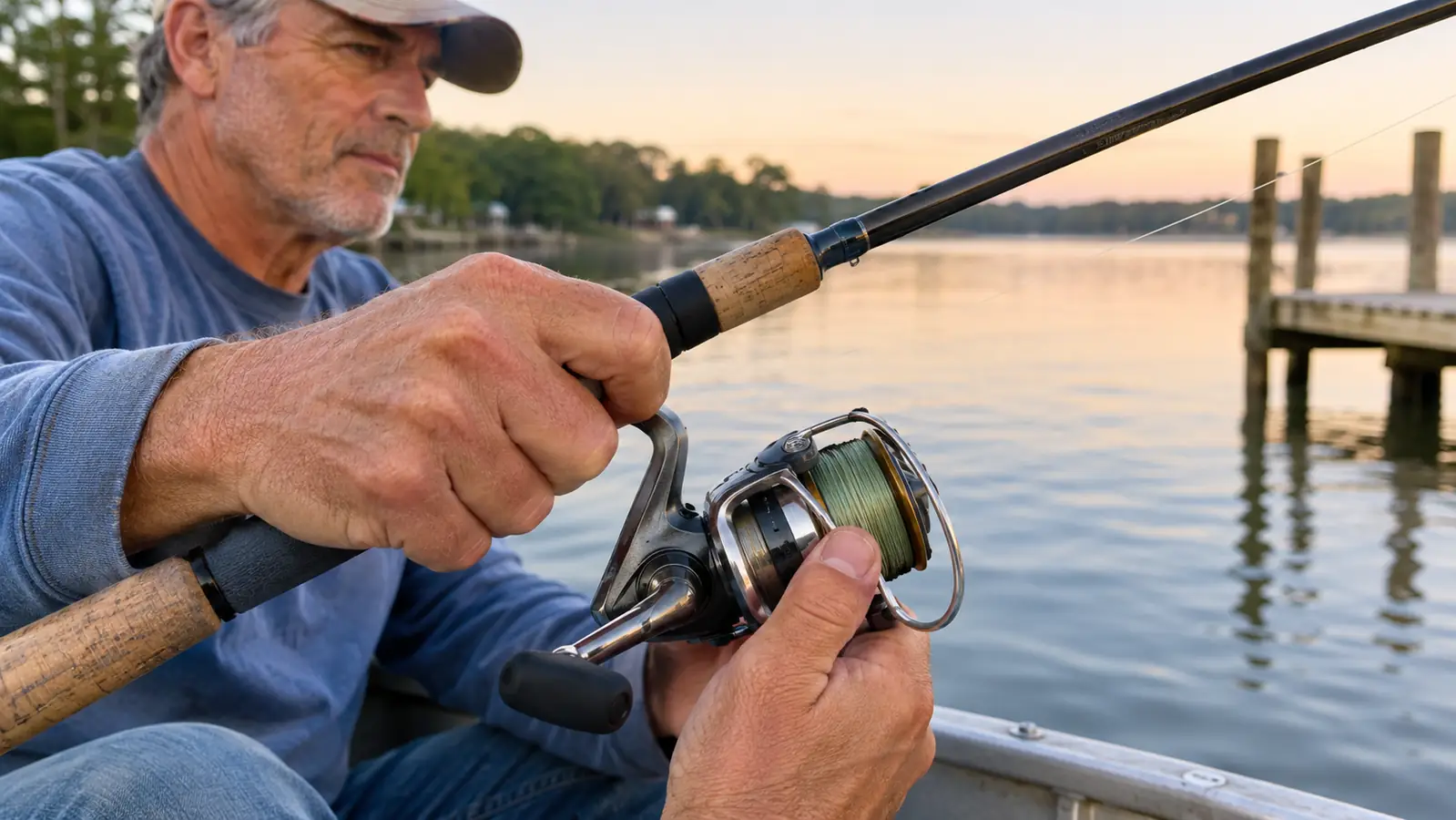
Gear ratio is the number I ignored for twenty years. 6.2:1 means the spool turns 6.2 times for every turn of the handle. That is fast enough to take up slack when a bass turns and runs at the boat, and it does not force me to move a crappie jig faster than I want to. I can slow a fast reel with my hand. I cannot speed up a slow one when a fish is coming straight at me.
33 pounds of drag is there for the day a bass gets into the pilings
Most mornings I am fishing 3 or 4 pounds of drag and not thinking about it. Then a four-pounder turns toward a dock piling and I cup the spool and lean. The 3000 is rated to 33 pounds. I have never come close to that number and I do not want to. What matters is that when I need to stop a fish, the reel gives me something to work with instead of a handle that will not budge.
The double-disc carbon drag backs off light enough for a paper mouth
The 3000 runs a double-disc carbon fiber drag. The part I care about is the bottom of the range, not the top. Set light, it starts a crappie moving without that herky jerky grab and release you get from a cheap drag. That grab is what pulls a small hook out of a paper mouth. I set mine by pulling line off the spool by hand before the first cast, and I adjust it maybe twice a morning.
10+1 bearings make a 1/16-ounce jig readable
Feel is most of crappie fishing. You are not watching a float. You are watching the line and feeling for a tick that might be a brush pile and might be a fish. Ten stainless steel bearings plus the one in the handle keep the retrieve smooth enough that a light jig does not get lost in the reel's own racket. When the tick stops being the bottom and starts being weight, I set the hook.
I set the drag by hand before the first cast, once, and then I stop thinking about the reel for the rest of the morning. That is most of what I want from one.
The long cast spool keeps light line from looping off
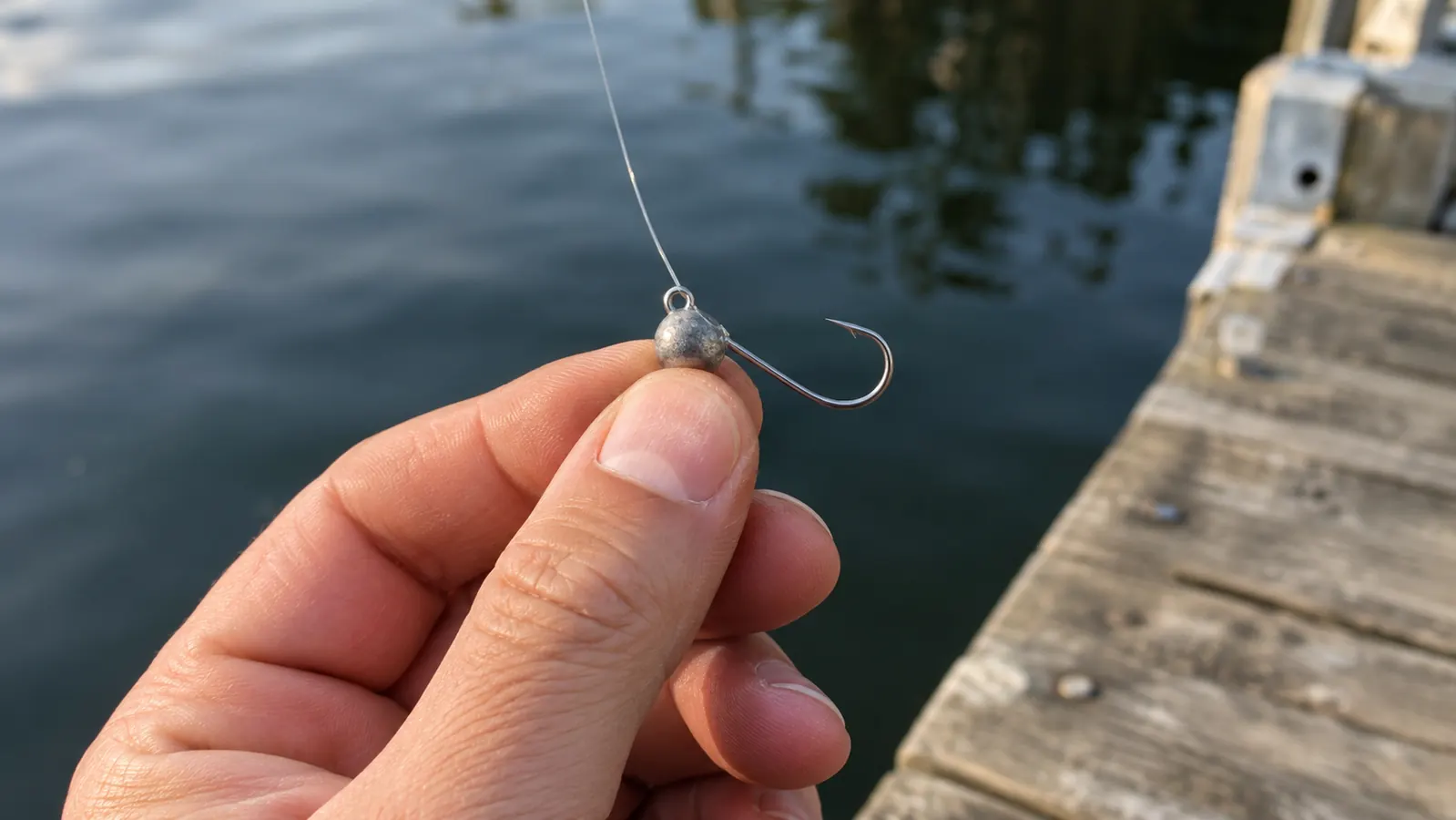
The spool is built to cut line friction. I notice it most at the end of a cast with a 4-pound leader: fewer loops lifting off, fewer half hitches in the line when I reel back in. A 1/16-ounce jig on a bad spool means a bird nest every fourth cast. This one does not do that, and I have thrown it into a headwind below the Catawba dam more than once this year.
The Nylitech body takes what an aluminum boat gives it
My deck is bare aluminum. Rods get laid down, stepped over, and knocked when the trolling motor swings. The body on this reel is rated 25 percent better on compression resistance and 28 percent better on impact resistance than the material it replaced. I have dropped it on that deck twice. It still turns true. That is the test I actually run, not a bench number.
Ambidextrous handle means the KastKing is not married to one hand
Hand orientation on the Sharky is ambidextrous, so the handle goes on whichever side you reel with. I reel right handed and always have. Tyler, my grandson, is ten and still changes his mind about which hand he likes every season. Same reel works for him. I do not have to buy a left-hand model to find out he swapped back.
One reel means one rod on the deck instead of three
A 16-foot jon boat with a trolling motor, a battery, a tackle bag and a net does not have room for three rigged rods. Two is tight. When one reel covers bass and crappie, I carry one spinning rod and one baitcaster and I am done. Less to step over, less to untangle, and I stop splitting the morning between three rods and spend it fishing one.
It is the reel I would hand a friend who does not want five combos
Nine months in, mine has needed a fresh water rinse after every trip and a drop of reel oil once a month. That is the whole maintenance list. If a man at the ramp asked what to buy and told me he had no interest in owning five setups, I would point him at this KastKing and tell him to spend the rest of the money on line. I cannot promise it lasts a decade. I can tell you it has not given me a reason to shop.
What I'd Skip
I would skip buying a second, dedicated crappie reel before you fish one full season with the first one. The urge is strong in February when the catalogs show up and everything looks necessary. It is not. Fish the 3000 from March through the fall, fish both species on it, and then decide what it actually lacks. In my case it lacked nothing I could name, and I saved myself a rod, a reel and a spool of line I would have used twice.
I would also skip the 4000 and 5000 sizes for this job. They are built for bigger drag numbers and heavier line than a 1/16-ounce jig or a Lake Norman largemouth will ever need, and the extra weight sits on the rod tip all morning. And be honest about the limits: this is not the lightest 3000 you can buy, it will not win a casting distance contest against a purpose-built finesse reel, and the drag washers want to be backed off before the reel hangs on the garage rack. I back mine off every trip. It takes four seconds.
The reel that stayed on the rod from March to November
Size 3000, 6.2:1 gear ratio, 10+1 stainless bearings, 33 pounds of drag, ambidextrous handle. Fresh water rinse, a drop of oil once a month, and it has asked for nothing else in nine months.
Amazon Check Today's Price on Amazon →